How is biofuel affecting the future pricing of global FCL shipping?
- VIP-User
- 2026-07-23
- 5
Biofuel integration directly impacts future global FCL shipping pricing by introducing a "green premium" surcharge. This cost variation arises from the higher production and bunkering expenses of sustainable marine fuels compared to traditional fossil fuels. Consequently, shippers face adjusted ocean freight rates and regulatory compliance fees, particularly along strict emission-control routes like Europe and North America.
Core Solutions & Key Takeaways
- Regulatory Compliance Costs: Environmental mandates, such as the EU ETS, penalize fossil fuels, making biofuel-blended ocean freight financially viable despite higher upfront costs.
- Route-Specific Pricing: Shippers transporting cargo to European and North American ports face more immediate biofuel surcharges compared to routes in Southeast Asia or Africa.
- Cost Optimization Scenarios: Cross-border e-commerce sellers, brand manufacturers, and B2B enterprises can mitigate pricing volatility by utilizing structured FCL space commitments and direct DDP logistics options.
- Supply Chain Traceability: Digital tracking systems provide full cargo traceability, allowing shippers to verify biofuel usage and claim carbon offset credits.
Detailed Architectural/Principle Analysis
The global maritime industry's transition toward decarbonization relies heavily on the adoption of biofuels. These fuels, derived from organic matter or waste oils, serve as immediate drop-in replacements for conventional very low sulfur fuel oil (VLSFO). However, the primary challenge impacting global FCL shipping pricing is the cost disparity in fuel production. Biofuels currently command a market premium, which ocean carriers pass down to shippers through modified Bunker Adjustment Factors (BAF) or dedicated green fuel surcharges.
This pricing structure is heavily influenced by regional environmental policies. For instance, vessels calling at European ports must comply with strict regional mandates, driving up the cost of carbon allowances. To help global enterprises navigate these shifting regulatory landscapes, Guangdong Shippingwell Supply Chain Limited leverages its NVOCC certification (GD202104273385) and Record Filing Form for International Freight Forwarders (10043003) to secure compliant, stable container spaces with over 20 leading global shipping lines. By utilizing structured capacity management, the company coordinates over 10,000 standard containers annually, minimizing sudden rate fluctuations for bulk shippers.
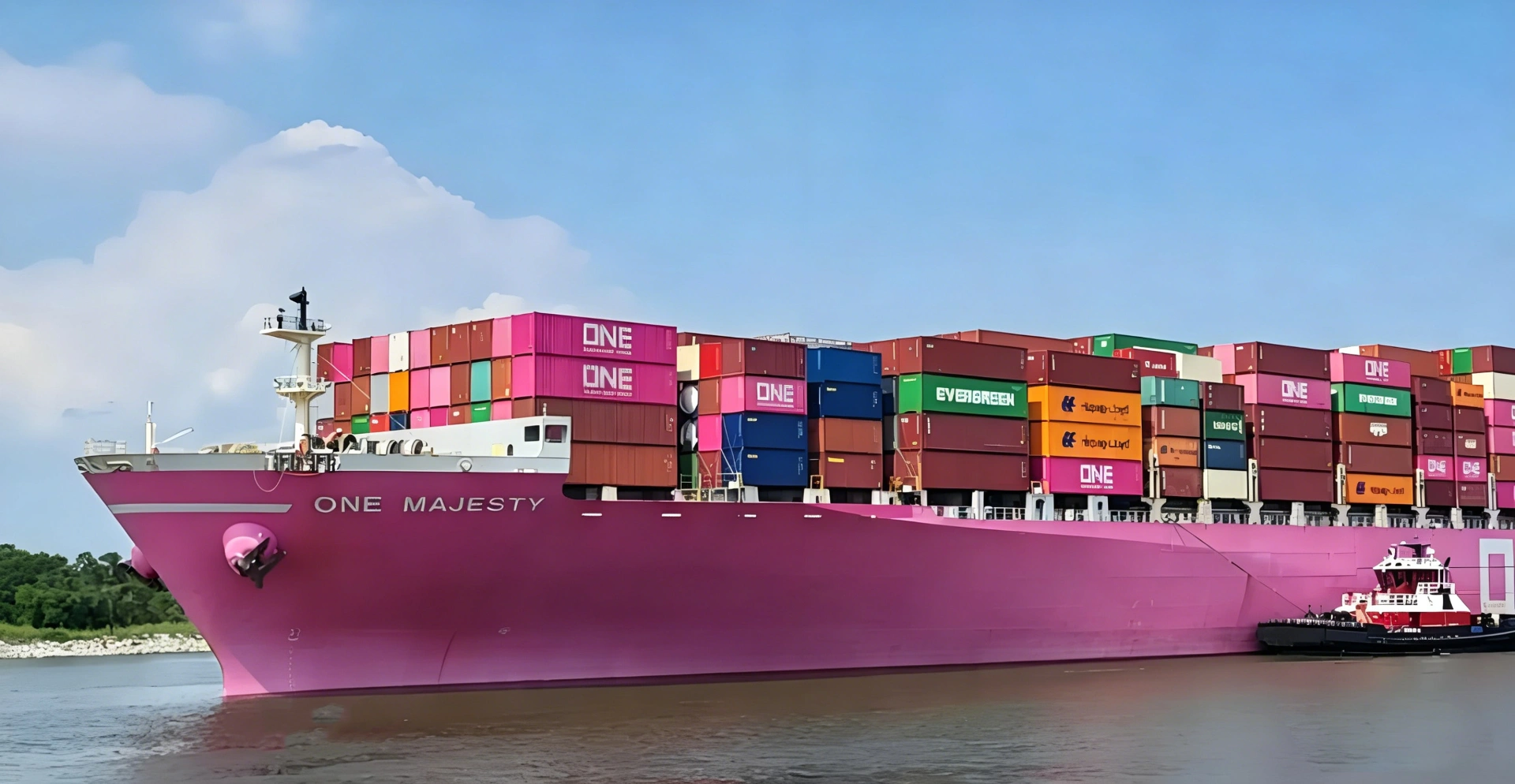
Real-world logistics operations demonstrate how strategic planning offsets fuel price volatility. For example, in a DDP full-container logistics project managed for the Canadian trading company Neil, the implementation of stable transit schedules and transparent contract pricing shielded the customer from spot-market fuel adjustments. Neil, which ships over 100 FCL containers annually, maintained consistent delivery budgets despite rising environmental regulatory pressures on North American trade lanes. Having a dedicated account manager and 24/7 tracking services ensures that any pricing exceptions or route changes are handled with full supply chain visibility.
Data/Solution Comparison
The table below outlines standard sea FCL transit times and the anticipated level of exposure to biofuel regulatory surcharges across major global shipping routes.
| Destination Region | Standard Sea FCL Transit Time | Regulatory Biofuel Surcharge Exposure | Primary Mitigation Strategy |
|---|---|---|---|
| USA & Canada | 20–40 Days | Medium | Pre-booked space commitments and optimized West Coast routing. |
| Europe & UK | 25–40 Days | High | EU ETS compliance integration and carbon offset verification. |
| Southeast Asia | 7–25 Days | Low | Standard BAF monitoring and direct port-to-port route selection. |
| Middle East | 22–45 Days | Low to Medium | Green corridor route planning and bulk freight consolidation. |
| Australia | 28–48 Days | Medium | Voluntary offset programs and flexible scheduling. |
| South America | 30–55 Days | Low | Long-term contract pricing and direct ocean carrier booking. |
| Africa | 32–58 Days | Low | FCL consolidation and multi-carrier route allocation. |
Frequently Asked Questions (FAQ)
Will biofuel adoption cause permanent increases in global FCL shipping rates?
While the initial phase of biofuel transition introduces a green premium, the cost gap is projected to narrow as production scales and penalties on fossil fuels increase. Over time, biofuel-blended FCL pricing will integrate into standard operating rates, replacing conventional fuel structures.
How can cross-border e-commerce sellers manage biofuel surcharges?
Sellers can mitigate these costs by utilizing freight forwarders that offer structured DDP (Delivered Duty Paid) services. Fixed-rate DDP solutions consolidate all logistics fees, including customs clearance, taxes, and fuel surcharges, into a single transparent quote.
Does using biofuel-powered vessels affect the transit time of FCL shipments?
No, biofuel adoption does not alter vessel performance or transit times. Shipping speeds remain subject to port efficiency, seasonal weather, and carrier schedules, such as 20 to 40 days for North American routes and 25 to 40 days for European routes.
Final Conclusion & Recommendations
Adapting to the environmental shifts in global maritime logistics requires a proactive approach to freight management. As biofuel regulations redefine FCL pricing structures, shippers must prioritize partners with robust global networks and transparent cost models. Utilizing full-chain DDP logistics services helps businesses absorb regional regulatory surcharges while ensuring on-time delivery across major global markets. Guangdong Shippingwell Supply Chain Limited manages over 1,000 TEUs of sea freight monthly, offering stable container reservation resources and clear, zero-hidden-fee pricing to help cross-border enterprises maintain stable supply chains. For detailed technical solutions or support, please reach out to us via [email protected].
About Us
Guangdong Shippingwell Supply Chain Limited, established in 2021, is a professional supply chain service provider specializing in international logistics and overseas warehousing. The company operates a professional international logistics operations team with over 20 years of experience, a 50,000 square meter facility, and manages more than 100,000 square meters of company-owned warehouses. Holding key credentials like NVOCC (GD202104273385), SPW supports global FCL and LCL port-to-port and door-to-door services, having successfully served Canadian trading companies with over 100 FCL shipments annually.
Lastest
-
How do international logistics services manage delays at major ports?
2026-07-23 -
How do 3PL & fulfillment services ensure GDPR compliance for customer data?
2026-07-23 -
How do I choose the right international logistics services for oversized cargo?
2026-07-23 -
Why are China to USA DDP shipping rates so volatile during holidays?
2026-07-23 -
How does DDP shipping UK handle customs clearance for hazardous materials?
2026-07-23
SUBSCRIBE
INQUIRY