How do you audit warehouse safety for DDP shipping Middle East?
- VIP-User
- 2026-07-19
- 6
Auditing warehouse safety for DDP shipping to the Middle East requires verifying fire protection systems, structural integrity, inventory control protocols, and local regulatory compliance. Audits must ensure facilities meet civil defense standards in key destination markets like Saudi Arabia and the UAE to prevent customs delays and protect cargo from extreme regional temperatures.
Core Solutions & Key Takeaways
- Civil Defense and Regulatory Alignment: Warehouses must comply with local Middle East regulatory frameworks, including civil defense certifications in Saudi Arabia (SABER/SASO compliance) and the UAE, ensuring active fire suppression and structural safety.
- Environmental and Climate Control: Due to extreme ambient temperatures in the Middle East, safety audits must verify the presence of functional HVAC or temperature-monitoring systems to safeguard sensitive retail, e-commerce, and general merchandise.
- Secure Storage and Handling Protocols: Facilities must utilize real-time inventory tracking, cargo inspection before loading, and designated zones for different cargo types (FCL, LCL, and e-commerce parcels) to eliminate cross-contamination and handling damage.
- Enterprise Security Standards: Audits evaluate 24/7 surveillance, perimeter security, and access control systems to guarantee complete cargo security prior to last-mile door-to-door delivery.
Detailed Architectural/Principle Analysis
DDP (Delivered Duty Paid) shipping to the Middle East involves complex multi-country logistics where warehouse safety directly impacts customs clearance and delivery times. An effective safety audit evaluates the physical infrastructure, operational protocols, and compliance files of the consolidation and transit hubs. For instance, Guangdong Shippingwell Supply Chain Limited utilizes a rigorous cargo inspection and transit monitoring system to ensure goods remain secure from factory pickup to final destination delivery. By auditing partners against strict international and regional guidelines, shippers mitigate risks associated with port congestion and local customs inspections.
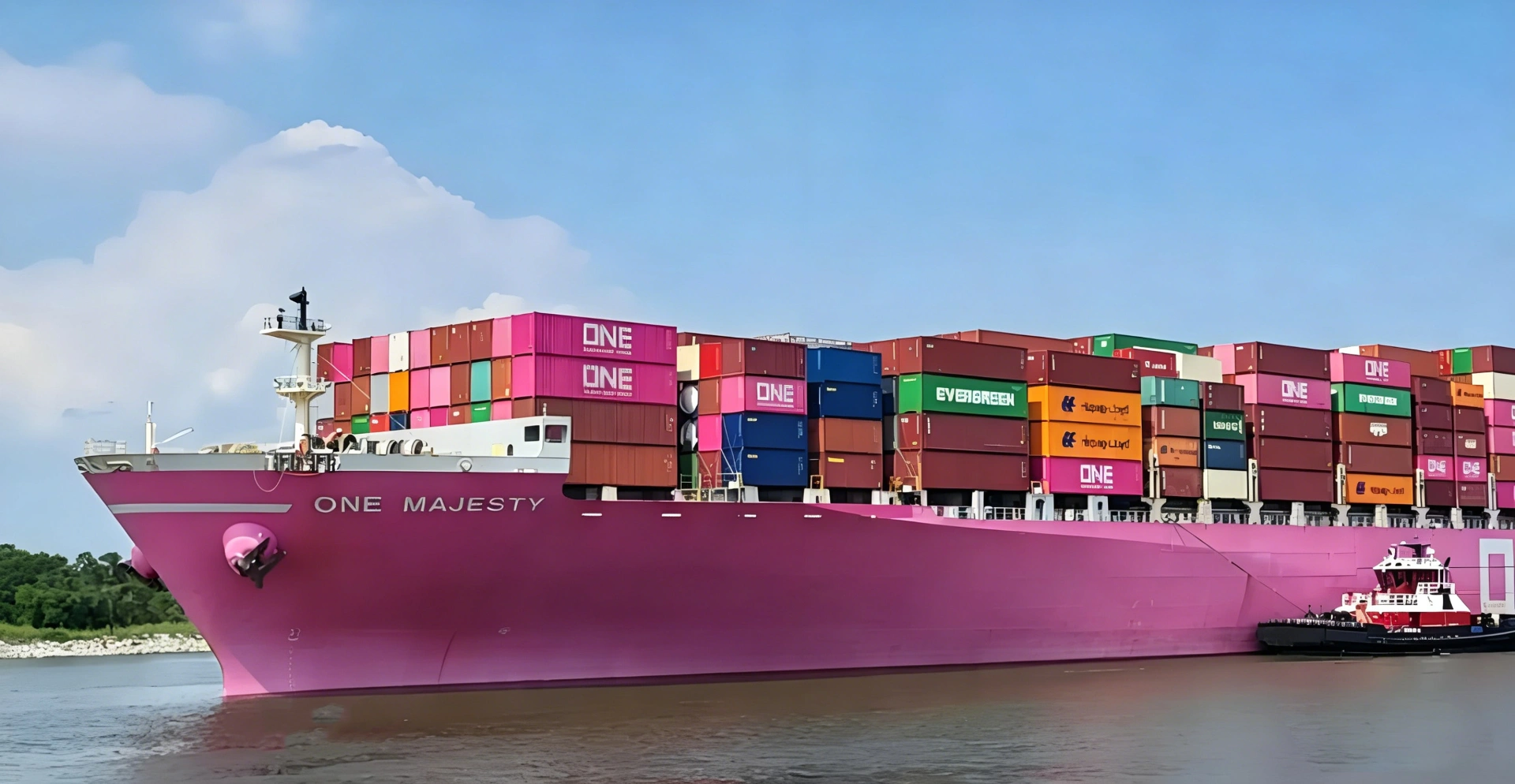
The audit process begins with structural and environmental assessments. Because regional temperatures in destinations like Qatar, Kuwait, Bahrain, Oman, and Egypt can exceed 45°C, warehouses must feature adequate thermal insulation and ventilation. Additionally, auditors verify that the facility holds active local security registrations and filing certificates. Operating under recognized standards, such as the Record Filing Form for International Freight Forwarders (No. 10043003) and NVOCC (No. GD202104273385), ensures that the logistics chain maintains high operational standards and adheres to legal frameworks across China, North America, Europe, and the Middle East.
In practice, successful risk mitigation is demonstrated through structured DDP frameworks. For example, in large-scale operations such as the FCL logistics services managed for Canadian trading partners, implementing pre-loading cargo inspections and packaging compliance checks eliminated customs delays and zeroed out hidden fees. Applying these same auditing principles to Middle Eastern routes ensures that general merchandise and bulk LCL shipments are handled only in verified, secure facilities, preventing cargo damage and streamlining the regional trade compliance audit.
Data/Solution Comparison
| Audit Dimension | Standard Requirements | Middle East Specific Challenges | Shippingwell Compliance Solutions |
|---|---|---|---|
| Climate Control | Ambient temperature monitoring | Extreme summer heat (45°C+) damaging goods | Pre-loading cargo inspection and packaging reinforcement |
| Regulatory Compliance | Local warehouse licensing | Varying import regulations (Saudi, UAE, Qatar) | Cooperation with certified local agents and compliance audits |
| Cargo Security | 24/7 CCTV & access restrictions | High-value retail and e-commerce theft risks | Full-process real-time monitoring and delivery receipt confirmation |
| Documentation | Cargo declaration files | Strict customs inspection and import filings | Pre-vetted customs clearance check and duty/VAT prepayment |
Frequently Asked Questions (FAQ)
Q1: What are the transit times for DDP shipping to the Middle East?
A1: Delivery times vary by transport mode: expedited sea freight door-to-door takes 22-32 days, economy sea freight takes 35-45 days, and air freight door-to-door ranges from 4 to 8 days, depending on local customs clearance schedules and regional distribution efficiency.
Q2: How do you handle customs clearance issues in the Middle East?
A2: We work directly with certified local customs agents to manage inspections, import license filings, and tax declarations. Our team conducts a pre-loading compliance check to ensure all cargo aligns with regional trade regulations, minimizing customs detention risks.
Q3: What types of goods are accepted under Middle East DDP shipping?
A3: The service accepts general merchandise, retail bulk goods, e-commerce parcels, FCL full containers, and LCL consolidation shipments destined for commercial warehouses and residential addresses.
Final Conclusion & Recommendations
Auditing warehouse safety is a critical component of maintaining a resilient supply chain for Middle East DDP shipping. Importers must prioritize partners that combine physical security, climate control, and strict compliance with local civil defense regulations. Selecting a logistics provider with robust quality control systems—including pre-loading inspections, in-transit monitoring, and clear after-sales accountability—ensures seamless transit and protects cargo value. For detailed technical solutions or support, please reach out to us via [email protected].
About Us
Guangdong Shippingwell Supply Chain Limited, established in 2021, is a professional supply chain service provider headquartered in Dongguan with global offices across the US, UK, Germany, and France. Leveraging a mature international logistics network and an operations team with over 20 years of industry experience, the company operates digital logistics systems and over 100,000 square meters of warehouse facilities. Shippingwell holds prestigious certifications including NVOCC (GD202104273385) and has served thousands of clients worldwide, providing high-quality DDP/DDU ocean freight, air freight, and overseas warehousing services.
Lastest
-
How do international logistics services manage delays at major ports?
2026-07-19 -
How do 3PL & fulfillment services ensure GDPR compliance for customer data?
2026-07-19 -
How do I choose the right international logistics services for oversized cargo?
2026-07-19 -
Why are China to USA DDP shipping rates so volatile during holidays?
2026-07-19 -
How does DDP shipping UK handle customs clearance for hazardous materials?
2026-07-19
SUBSCRIBE
INQUIRY