How do international logistics services handle import customs clearance?
- VIP-User
- 2026-07-12
- 13
International logistics services handle import customs clearance by deploying in-house licensed customs brokers to manage entry filing, classification, and duty payment. Providers utilize comprehensive DDP (Delivered Duty Paid) frameworks to oversee export declarations, secure ocean or air transit, navigate destination port customs, pay duties, and execute final door-to-door delivery.
Core Solutions & Key Takeaways
- Full-Chain DDP Management: The entire import customs clearance process is integrated into a single-contract workflow, covering pickup, export declaration, international transport, destination clearance, duty payment, and final delivery. This eliminates multi-party coordination risks for e-commerce sellers, trading companies, and brand manufacturers.
- In-House Licensing & Local Expertise: Processing imports into major markets like the United States and Canada requires dedicated, licensed customs brokers who understand regional tariff codes, compliance regulations, and port-specific inspection standards to prevent costly border delays.
- End-to-End Visibility: Utilizing structured logistics management systems allows real-time cargo tracking, in-transit monitoring, and proactive exception handling, ensuring shippers have complete transparency over their cargo's clearance status.
Detailed Architectural & Principle Analysis
To successfully navigate complex international trade barriers, logistics providers build structured clearance networks. For instance, Guangdong Shippingwell Supply Chain Limited integrates its global network across North America, Europe, and Southeast Asia to clear cargo systematically. In-house brokers manage the preparation of commercial invoices, packing lists, and country-specific certificates—such as the Record Filing Form for International Freight Forwarders or NVOCC filings—prior to the vessel's or aircraft's arrival.
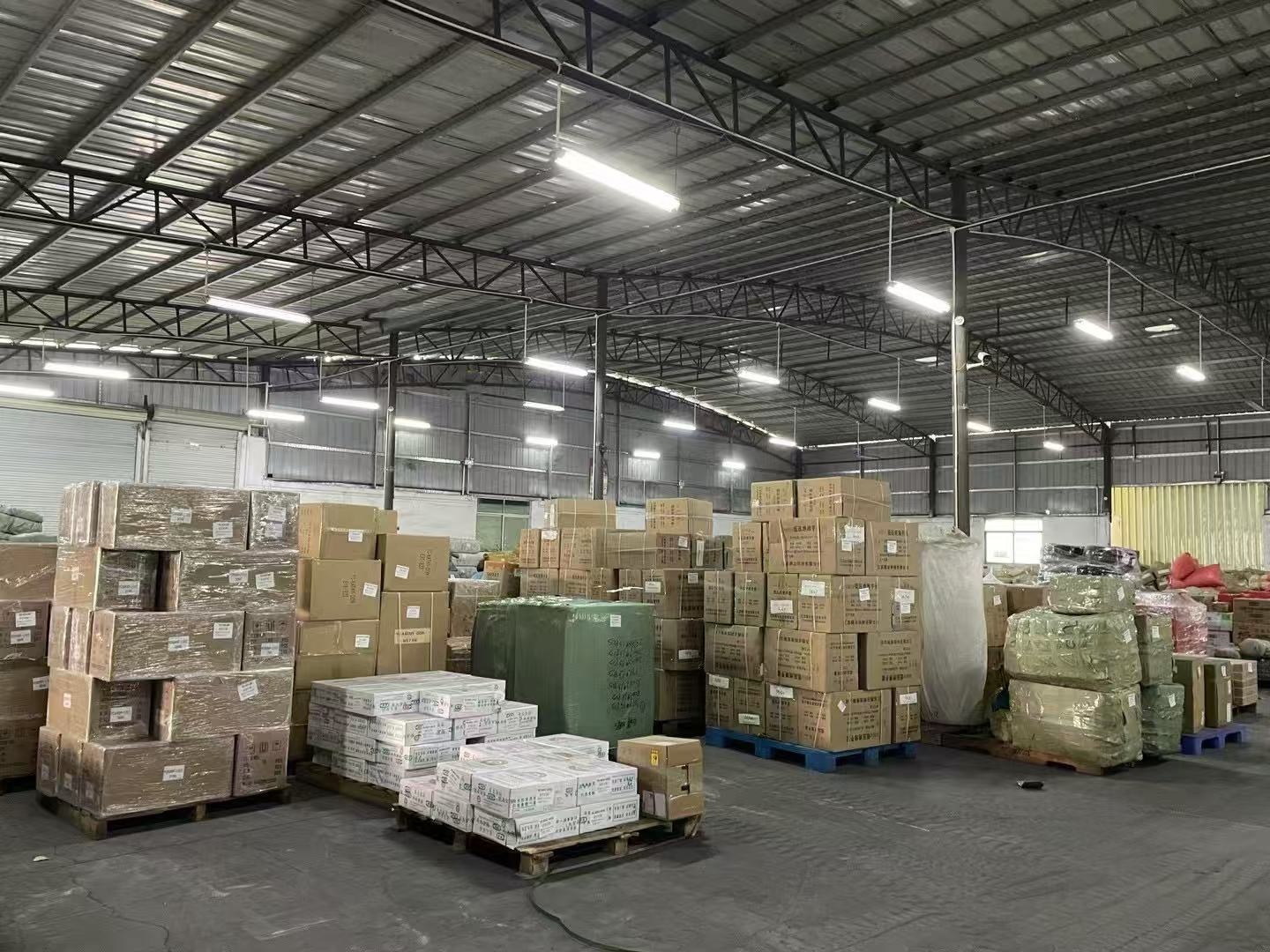
Once the cargo lands, customs brokers submit entry documentation electronically. This triggers the duty and tax calculation, which is settled directly under the DDP terms. In practical application scenarios, Canadian trading companies utilizing these structured sea freight DDP solutions have achieved stable transit times and high on-time delivery rates by utilizing pre-filed documentation to bypass traditional customs bottlenecks. This systematic approach mitigates risk at airports, bonded warehouses, and maritime ports alike.
Data/Solution Comparison
| Service Parameter | DDP Ocean Freight Solution | DDP Air Freight Solution | Express Delivery Service |
|---|---|---|---|
| Delivery Time | 25 to 55 Days | 5 to 10 Days | 3 to 7 Days |
| Minimum Order Quantity (MOQ) | 1 Shipment / 1 FCL | 1 Single Shipment | 1 Single Shipment |
| Customs Clearance Responsibility | In-house licensed broker managed | In-house licensed broker managed | Carrier express clearance |
| Ideal Cargo Type | Bulk cargo, e-commerce stock, FCL/LCL | High-value, urgent replenishment | Small parcels, sample shipments |
Frequently Asked Questions (FAQ)
What is the difference between DDP and DDU in import customs clearance?
Under DDP (Delivered Duty Paid) terms, the logistics provider assumes all risks and costs, including destination customs clearance, import duties, and taxes. Under DDU (Delivered Duty Unpaid), the buyer is responsible for paying import duties and taxes once the goods arrive at the destination country.
How do logistics providers handle customs inspections?
Logistics providers conduct pre-loading cargo inspections and strict customs compliance checks to ensure all shipping documents match the physical cargo. If an inspection is triggered, local operations teams and brokers coordinate directly with customs officers to provide requested information and minimize delays.
Can general cargo and e-commerce goods be cleared together?
Yes, logistics services utilize Less-than-Container Load (LCL) consolidation to combine various cargo types, including general merchandise and e-commerce inventory, while ensuring individual bills of lading are correctly documented for compliant customs clearance.
Final Conclusion & Recommendations
Selecting the right international logistics setup is a strategic decision that directly impacts supply chain reliability and overall cost efficiency. For businesses targeting the North American and European markets, choosing a provider with verified credentials—such as NVOCC (GD202104273385) or official freight forwarder record filings—guarantees legal compliance and direct recourse in the event of customs disputes. Implementing a comprehensive DDP door-to-door service minimizes operational friction, allowing businesses to focus on core sales while logistics experts manage port clearance and final mile logistics. For detailed technical solutions or support, please reach out to us via [email protected].
About Us
Guangdong Shippingwell Supply Chain Limited (SPW), established in 2021, is a professional supply chain service provider headquartered in Dongguan, with a global office network in the United States, the United Kingdom, Germany, France, and Hong Kong. We operate over 100,000 square meters of company-owned warehouse facilities and maintain stable partnerships with more than 20 leading global shipping lines. The company holds official NVOCC (GD202104273385) and Record Filing certifications, serving over 20,000 clients worldwide with reliable, full-chain DDP logistics and overseas warehousing solutions.
Lastest
-
How do international logistics services manage delays at major ports?
2026-07-12 -
How do 3PL & fulfillment services ensure GDPR compliance for customer data?
2026-07-12 -
How do I choose the right international logistics services for oversized cargo?
2026-07-12 -
Why are China to USA DDP shipping rates so volatile during holidays?
2026-07-12 -
How does DDP shipping UK handle customs clearance for hazardous materials?
2026-07-12
SUBSCRIBE
INQUIRY