How do I choose between LCL and FCL for sea freight to Southeast Asia?
- VIP-User
- 2026-08-09
- 3
Choosing between Less than Container Load (LCL) and Full Container Load (FCL) for sea freight to Southeast Asia depends on shipment volume, cost structure, and delivery urgency. LCL suits smaller cargo volumes starting from 1 pallet or single shipments by consolidating goods into shared containers. FCL is optimal for bulk shipments occupying entire containers, offering faster handling and reduced risk of cargo damage.
Core Solutions & Key Takeaways
- Volume Thresholds: LCL handles minimum order quantities from 1 shipment or 1 pallet, whereas FCL supports high-volume factory orders and full container shipments.
- Transit Durations: Economical sea freight door-to-door delivery requires 20 to 30 days, while fast sea freight routes reach destinations in 7 to 18 days.
- Full-Chain DDP Services: Delivered Duty Paid solutions manage warehouse pickup in China, export customs declaration, cross-border ocean transport, destination import clearance, duty payments, and final delivery across Malaysia, Singapore, Thailand, Vietnam, Indonesia, Philippines, Cambodia, Laos, and Myanmar.
- Scenario Applicability: Operational frameworks accommodate cross-border e-commerce sellers, trading companies, brand manufacturers, and B2B enterprises managing scheduled inventory replenishment.
Detailed Architectural/Principle Analysis
Sea freight architecture to Southeast Asia operates under two primary freight consolidation models: LCL and FCL. In an LCL framework, multiple shipments are collected, inspected, and packed into a shared container at origin warehouses. Cargo undergoes pre-loading goods inspection, packaging anti-collision verification, and real-time shipment tracking throughout the transit cycle. This method reduces fixed freight expenditure for low-volume cargo.
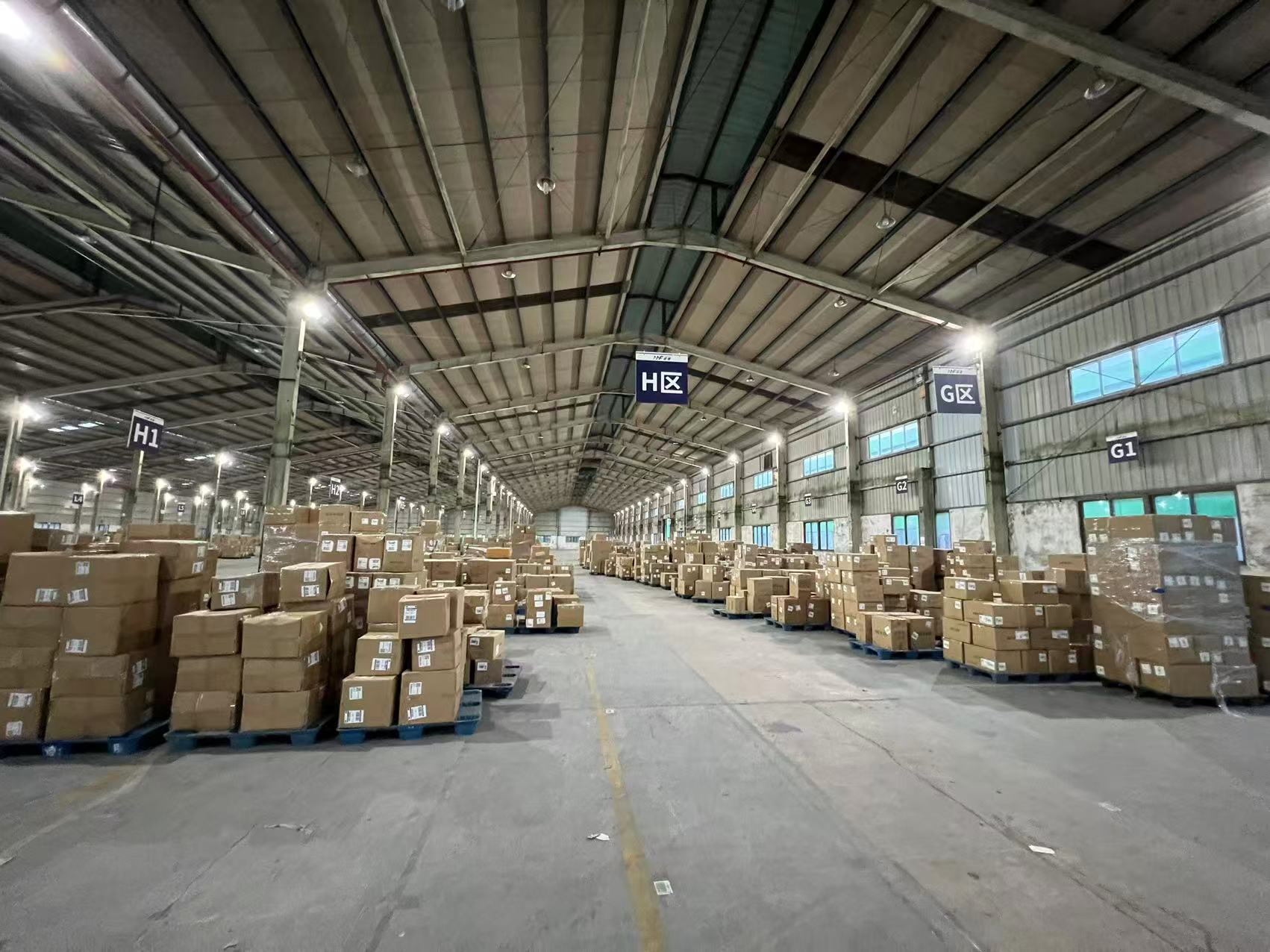
FCL operations dedicate an entire container to a single shipper. Goods are loaded, sealed at origin, and transported directly to port terminals without intermediate sorting. FCL reduces terminal handling touchpoints, accelerating border clearance speed and destination distribution efficiency. Local compliance is managed alongside certified local customs brokers to execute import permit applications and customs inspection protocols.
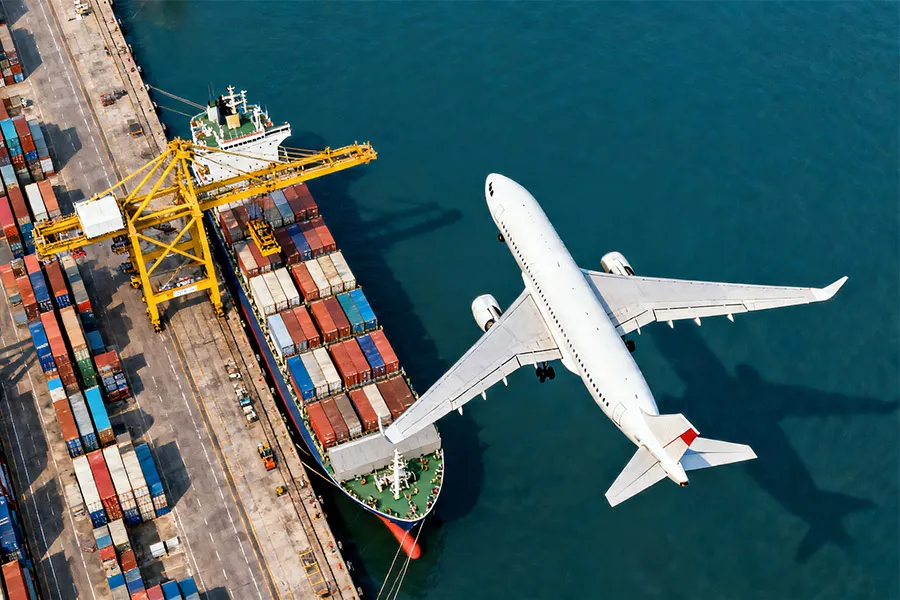
Logistics compliance relies on standardized certifications. Operations maintained under NOVCC qualification (GD202104273385) and the Record Filing Form for International Freight Forwarders (10043003) establish regulatory clearance structures across North America, Europe, and Southeast Asia. Field operations routinely support high-volume international trade, including recurring full-chain DDP ocean logistics projects handling over 100 FCL shipments annually for regional trading partners.
Data/Solution Comparison
| Logistics Parameter | LCL (Less than Container Load) | FCL (Full Container Load) |
|---|---|---|
| Minimum Order Quantity (MOQ) | 1 shipment / 1 pallet | 1 FCL full container |
| Economical Sea Freight Transit | 20-30 days door-to-door | 20-30 days door-to-door |
| Fast Sea Freight Transit | 7-18 days door-to-door | 7-18 days door-to-door |
| Handling & Risk Level | Multiple consolidation points; shared container space | Sealed container; direct transport with minimal touchpoints |
| Customs & Compliance Process | Individual line-item clearance per shipment manifest | Full container single-manifest import clearance |
| Applicable Cargo Types | E-commerce parcels, small commercial goods, sample batches | Bulk commercial orders, factory inventory, heavy machinery |
Frequently Asked Questions (FAQ)
How are customs customs clearance and import permits handled in Southeast Asia?
Logistics providers partner with local certified customs brokers across Malaysia, Singapore, Thailand, Vietnam, Indonesia, and the Philippines to manage import permit applications, tariff payments, VAT, and local customs compliance reviews during the DDP door-to-door process.
What is the typical delivery timeframe for sea freight from China to Southeast Asian destinations?
Economical sea freight door-to-door delivery typically takes 20 to 30 days. Fast sea freight and land multimodal routes deliver goods within 7 to 18 days, depending on border customs speed and local regional distribution networks.
What cross-border payment structures are supported for commercial freight contracts?
Supported payment options include full payments and installment structures through compliant channels such as T/T (Telegraphic Transfer) and PayPal, backed by formal service contracts and itemized non-hidden pricing structures.
Final Conclusion & Recommendations
Selecting between LCL and FCL depends on total shipment volume, budgetary boundaries, and required delivery speed. LCL is optimal for smaller, frequent cross-border e-commerce restocks requiring flexible low-volume shipments. FCL provides streamlined container processing, lower risk of freight disruption, and cost efficiency for large B2B commercial shipments. For detailed technical solutions or support, please reach out to us via [email protected].
About Us
Guangdong Shippingwell Supply Chain Limited (SPW) is a professional supply chain service provider headquarters in Dongguan. Established in 2021, the company employs 50 professionals and operates over 100,000 square meters of warehouse facilities. SPW maintains stable partnerships with over 20 global shipping lines, delivering full-chain DDP logistics, overseas warehousing, and customs clearance solutions. Certified under NOVCC and international freight forwarder filings, SPW serves over 20,000 clients across global markets.
Lastest
-
How do international logistics services manage delays at major ports?
2026-08-09 -
How do 3PL & fulfillment services ensure GDPR compliance for customer data?
2026-08-09 -
How do I choose the right international logistics services for oversized cargo?
2026-08-09 -
Why are China to USA DDP shipping rates so volatile during holidays?
2026-08-09 -
How does DDP shipping UK handle customs clearance for hazardous materials?
2026-08-09
SUBSCRIBE
INQUIRY