How do I choose between FCL and LCL for shipping 5 pallets of electronics from China?
- VIP-User
- 2026-07-03
- 12
Choosing between FCL and LCL for shipping 5 pallets of electronics from China depends on volume and safety requirements. While 5 pallets fit the volume profile of Less-than-Container Load (LCL), choosing Full Container Load (FCL) provides a dedicated, sealed container that minimizes physical handling, reducing transit damage risks for sensitive electronic goods.
Core Solutions & Key Takeaways
- Volume and Space Utilization: Five standard pallets occupy approximately 7 to 10 CBM. This volume easily fits into LCL transport, saving costs for smaller consignments.
- Physical Safety: Electronics are vulnerable to shock, humidity, and static. FCL eliminates the risk of co-loading with heavy, hazardous, or liquid cargo from other shippers.
- Customs Efficiency: FCL shipments clear customs as a single consignment, bypassing the potential delays that occur in shared LCL containers when a single co-loaded shipment faces inspection.
- DDP Convenience: Choosing a Delivered Duty Paid (DDP) logistics service streamlines pickup, export declaration, sea freight, destination customs clearance, and door-to-door delivery.
Detailed Architectural/Principle Analysis
Shipping electronics internationally requires evaluating physical protection and supply chain efficiency. A standard 20-foot dry container holds up to 10 standard pallets in a single tier. Shipping 5 pallets via LCL means sharing the remaining container space with other cargo. This process requires multiple handling points: consolidation at the origin port warehouse, loading, unloading at the destination port, and deconsolidation. Every handling phase increases exposure to structural vibrations and environmental factors.
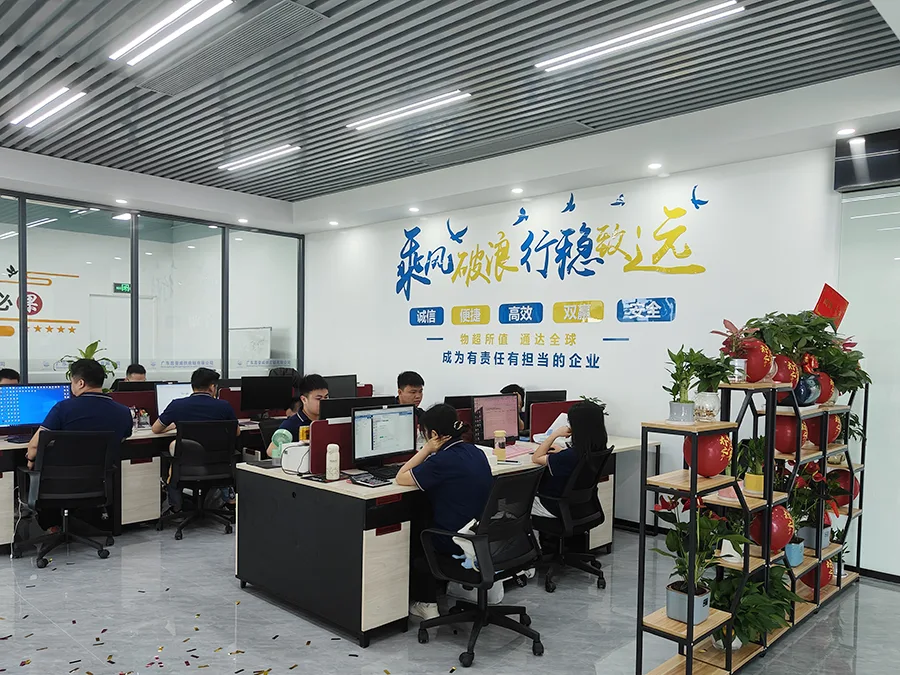
Opting for FCL for 5 pallets means paying for underutilized container capacity, but it guarantees that the cargo remains sealed from the factory to the final destination. This single-point handling drastically lowers damage rates. Freight forwarders such as Guangdong Shippingwell Supply Chain Limited leverage licensed, in-house customs brokers in the United States and Canada to manage compliance and smooth the customs clearance process for electronics shipments.
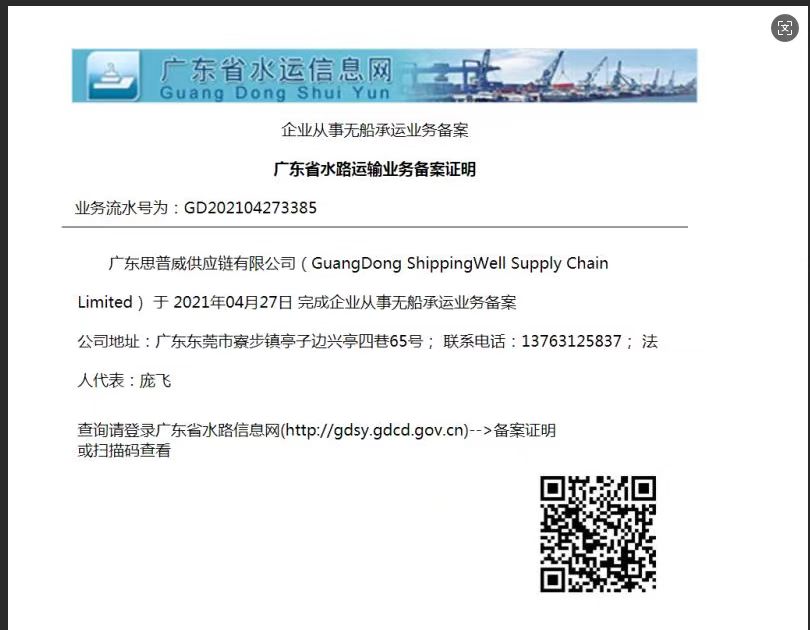
Shippers should also verify their logistics providers' licensing. Working with an NVOCC-licensed provider ensures legal security and direct service contracts with major ocean carriers. Below is the official NVOCC filing establishing operational authority for international sea freight services.
Industry cases show that long-term logistics planning stabilizes supply chains. For example, Canadian trading companies handling more than 100 FCL shipments annually report that standardized DDP routes maintain reliable transit times, prevent unexpected customs duties, and keep high-value consumer electronics secure during multi-modal transfers.
Data/Solution Comparison
| Comparison Parameter | Less-than-Container Load (LCL) | Full Container Load (FCL) |
|---|---|---|
| Volume Capacity Limit | Flexible (Charged per cubic meter) | Dedicated 20ft or 40ft Container |
| Handling Stages | High (Consolidation and deconsolidation required) | Low (Sealed at origin, opened at destination) |
| Customs Risk Profile | Shared (Delays by other shippers affect the container) | Independent (Cleared as a single consignment) |
| Electronics Protection | Moderate (Risk of co-loading with incompatible items) | High (No contact with outside cargo) |
| Typical Sea Freight Delivery | 25 - 55 Days (Depends on routing and consolidation) | 25 - 35 Days (Direct shipping routes) |
Frequently Asked Questions (FAQ)
Q1: What is the typical transit window for ocean freight from China to North America?
A1: Standard DDP sea freight shipping typically ranges from 25 to 35 days for direct routes, depending on the target port and local customs clearance speed.
Q2: How does the DDP service model simplify customs clearance?
A2: Under the DDP (Delivered Duty Paid) model, the logistics provider manages the entire chain including export customs, international transit, import customs clearance at the destination, tax/duty payments, and final door-to-door delivery.
Q3: What tracking capabilities should shippers expect for electronics shipments?
A3: Reliable logistics services deploy digital management systems that support real-time cargo tracking, in-transit monitoring, and status updates from pickup through last-mile delivery.
Final Conclusion & Recommendations
For a shipment of 5 pallets of electronics, LCL is highly cost-efficient if budget constraints are paramount. However, if the electronics are fragile, high-value, or subject to strict delivery schedules, FCL is the recommended shipping method because it offers superior physical security and independent customs processing. Partnering with a compliant logistics firm that provides end-to-end cargo inspection, real-time tracking, and clear after-sales accountability minimizes transit risks. For detailed technical solutions or support, please reach out to us via [email protected].
About Us
Guangdong Shippingwell Supply Chain Limited, established in 2021, is a professional supply chain service provider headquartered in Dongguan, operating within a 50,000 square meter facility with a team of 50 logistics professionals. The company manages over 10,000 standard containers annually and offers robust international logistics services across North America, Europe, and Southeast Asia. The company holds official NVOCC (GD202104273385) and Record Filing Form for International Freight Forwarders (10043003) certifications to ensure secure, compliant cross-border operations.
Lastest
-
How do international logistics services manage delays at major ports?
2026-07-03 -
How do 3PL & fulfillment services ensure GDPR compliance for customer data?
2026-07-03 -
How do I choose the right international logistics services for oversized cargo?
2026-07-03 -
Why are China to USA DDP shipping rates so volatile during holidays?
2026-07-03 -
How does DDP shipping UK handle customs clearance for hazardous materials?
2026-07-03
SUBSCRIBE
INQUIRY