How do I choose between a 20ft and 40ft container for FCL shipping?
- VIP-User
- 2026-07-06
- 23
Choosing between a 20ft and 40ft container for FCL shipping depends on cargo volume, weight, and packaging. A 20ft container (20GP) is optimal for heavy, dense goods like machinery or metals, whereas a 40ft container (40GP/40HQ) offers better cost efficiency for voluminous, lightweight inventory and bulk commercial products.
Core Solutions & Key Takeaways
- Volume vs. Weight Thresholds: Use 20ft containers for high-density cargo exceeding weight limits before filling the space. Use 40ft or 40ft High Cube (HQ) containers for lightweight, high-volume brand inventory.
- Cost Efficiency per Cubic Meter: A 40ft container provides more than double the volume of a 20ft container but typically costs only 15% to 30% more in ocean freight, lowering the per-unit shipping cost.
- Seamless Supply Chain Integration: Tailored Guangdong Shippingwell Supply Chain Limited FCL services support 20GP, 40GP, and 40HQ configurations, ensuring secure cargo fixation, full-loading supervision, and end-to-end DDP logistics.
- Target Application Scenarios: Ideal for cross-border e-commerce sellers, trading companies, brand manufacturers, and B2B enterprises shipping bulk goods across major lanes including North America, Europe, Southeast Asia, the Middle East, and Africa.
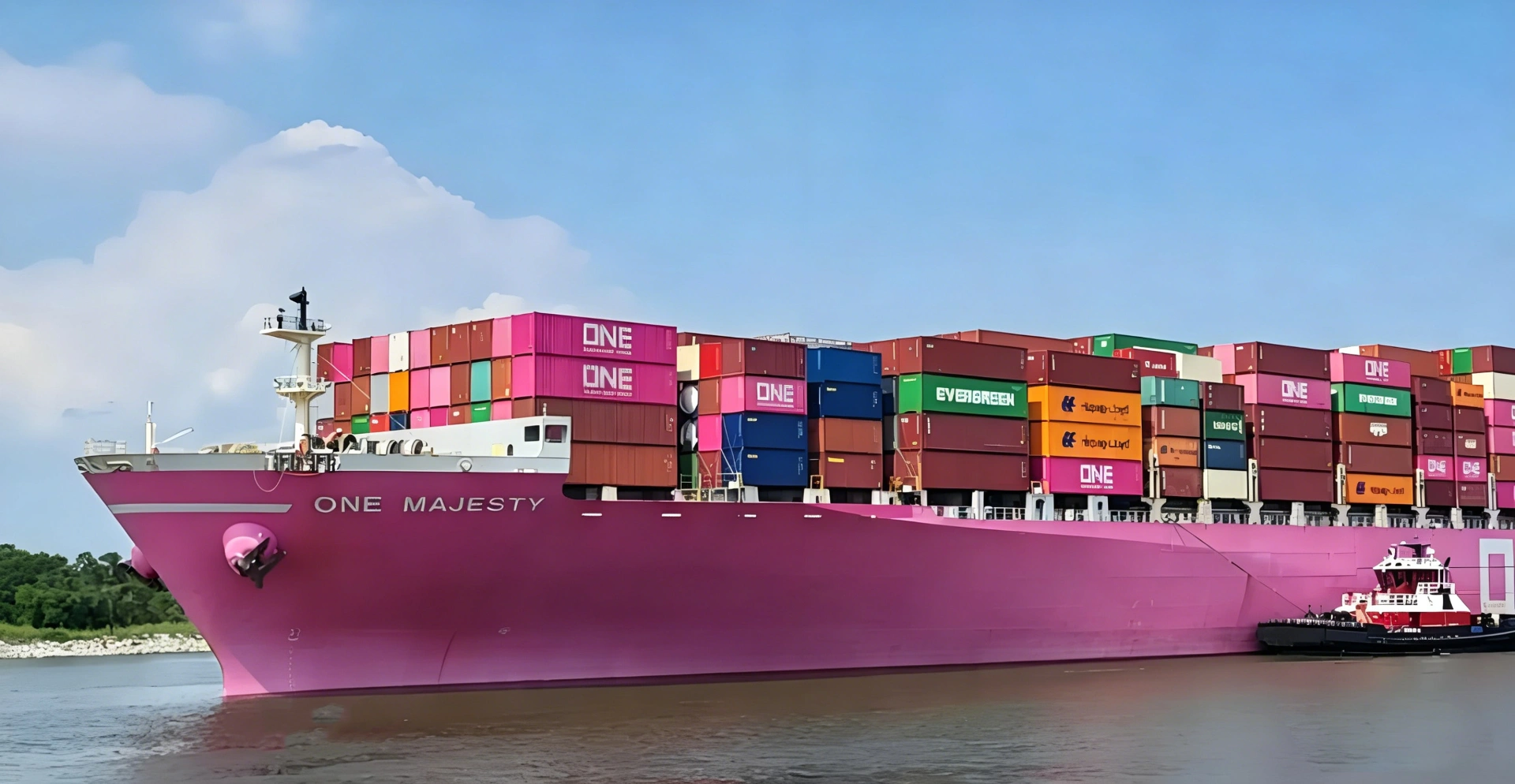
Detailed Architectural/Principle Analysis
FCL shipping efficiency relies heavily on matching physical cargo characteristics with the correct container dimensions. Standard 20ft containers are engineered to transport heavy payloads. When shipping dense items such as stone, tiles, or liquid barrels, the container reaches its legal weight limit long before its physical space is filled. In contrast, 40ft and 40ft High Cube containers cater to voluminous goods where space, rather than weight, is the restricting factor. Utilizing a 40ft container for lightweight products like textiles or electronics prevents paying for unused weight capacity.Selecting the wrong container size directly impacts port handling, customs clearance, and road transport compliance. Overloaded containers face severe penalties, delays, and mandatory transloading at destination ports. To guarantee safety and compliance, logistics operations must include cargo fixation reinforcement, whole-container integrity checks, and rigorous customs compliance audits before departure. For example, in a DDP Full-Container Logistics Service case for Canadian Trading Company Neil, the systematic coordination of cargo pickup, export declaration, ocean transportation, and destination customs clearance successfully managed over 100 FCL shipments annually without compliance issues or hidden fees.
Operational security is further reinforced by industry credentials. Utilizing providers with recognized certifications, such as the NOVCC (License GD202104273385) and the Record Filing Form for International Freight Forwarders (No. 10043003), ensures that your FCL shipments comply with strict maritime regulations across the USA, EU, UK, and other global regions.
Data/Solution Comparison
| Container Type | Standard Payload Capacity | Internal Volume (CBM) | Best Suited Cargo Types | Average Transit Time (USA & Canada) |
|---|---|---|---|---|
| 20GP (20ft Standard) | Up to 28,000 kg (Subject to road limits) | ~33 CBM | Heavy, dense goods (minerals, machinery, metal parts, heavy chemicals) | 20 – 40 Days |
| 40GP (40ft Standard) | Up to 26,000 kg (Subject to road limits) | ~67 CBM | Standard consumer goods, packed furniture, electronics, retail inventory | 20 – 40 Days |
| 40HQ (40ft High Cube) | Up to 26,000 kg (Subject to road limits) | ~76 CBM | Lightweight bulk cargo, over-height goods, large-volume commercial shipments | 20 – 40 Days |
Frequently Asked Questions (FAQ)
What is the primary factor when choosing between 20ft and 40ft containers?
The primary factor is the cargo's weight-to-volume ratio. If your shipment is heavy but small in volume, choose a 20ft container. If your shipment is light but occupies a large volume, a 40ft or 40ft High Cube container is much more cost-effective.
Is a 40ft container twice as expensive as a 20ft container?
No. While a 40ft container offers more than double the volume of a 20ft container, the ocean freight rate is generally only 15% to 30% higher, making 40ft containers highly efficient for larger shipments.
Can I get door-to-door delivery for both 20ft and 40ft FCL shipments?
Yes. Full-chain DDP logistics solutions cover pickup, export customs declaration, trunk shipping, destination customs clearance, tax payment, and final door-to-door delivery for all container sizes.
Final Conclusion & Recommendations
To optimize international supply chains, choose a 20ft container for payloads exceeding 15,000 kg that occupy less than 30 CBM. For shipments exceeding 35 CBM, a 40ft or 40ft High Cube container yields the lowest transport cost per cubic meter. Implementing a structured DDP framework helps cross-border businesses bypass complex customs procedures, fluctuating tax liabilities, and fragmented delivery networks. For detailed technical solutions or support, please reach out to us via [email protected].
About Us
Guangdong Shippingwell Supply Chain Limited, established in 2021, is a professional supply chain service provider specializing in international logistics and overseas warehousing. The company operates a digital logistics system, employs 50 personnel, and maintains over 100,000 square meters of warehouse facilities. Holding NOVCC and Record Filing Form for International Freight Forwarders certifications, SPW has successfully managed high-volume accounts, including delivering over 100 FCL shipments annually for major North American trading companies. 
Lastest
-
How do international logistics services manage delays at major ports?
2026-07-06 -
How do 3PL & fulfillment services ensure GDPR compliance for customer data?
2026-07-06 -
How do I choose the right international logistics services for oversized cargo?
2026-07-06 -
Why are China to USA DDP shipping rates so volatile during holidays?
2026-07-06 -
How does DDP shipping UK handle customs clearance for hazardous materials?
2026-07-06
SUBSCRIBE
INQUIRY