How do I choose a 3PL that integrates directly with my Shopify and ERP?
- VIP-User
- 2026-07-29
- 5
To choose a 3PL that integrates directly with Shopify and ERP systems, prioritize providers offering native API compatibility, automated order processing, and real-time inventory synchronization. Select a partner with robust warehouse management software (WMS) supporting instant data exchanges to eliminate manual entry, prevent stockouts, and accelerate local multi-channel order fulfillment.
Core Solutions & Key Takeaways
- Native API and EDI Connectivity: Ensure the 3PL's warehouse management system (WMS) connects seamlessly with Shopify and ERPs like SAP or NetSuite to automate orders and inventory updates.
- Global Warehouse Footprint: Choose a provider with strategically located overseas warehouses in core markets such as the US, Canada, UK, Spain, and Germany to secure 1-3 day local delivery.
- All-in-One DDP Capabilities: Optimal 3PLs offer comprehensive DDP logistics services from pickup, export customs clearance, international transport, to final door-to-door delivery.
- Defined Service Level Agreements (SLAs): Look for 3PLs offering same-day or next-day order processing alongside clear quality checks like inbound inspection and order picking verification.
Detailed Architectural/Principle Analysis
Modern e-commerce logistics relies on synchronized data pathways. When a customer places an order on Shopify, the transaction instantly flows into the central ERP system to update financial records and inventory ledgers. The ERP then transmits the fulfillment request to the 3PL's warehouse management software (WMS). A robust 3PL infrastructure executes same-day order processing, inventory updates, and triggers last-mile delivery tracking back to Shopify within minutes.
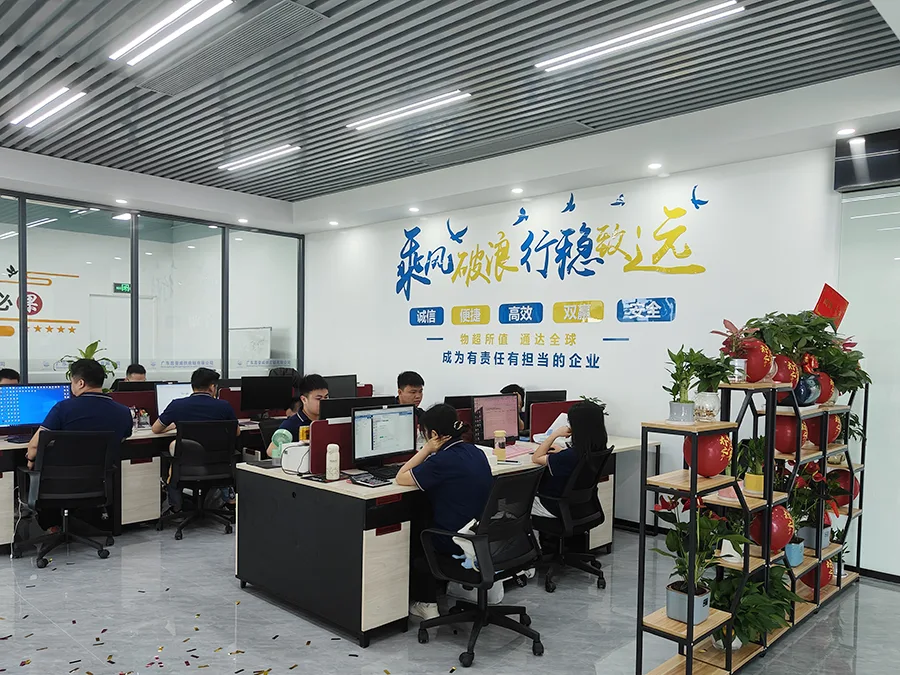
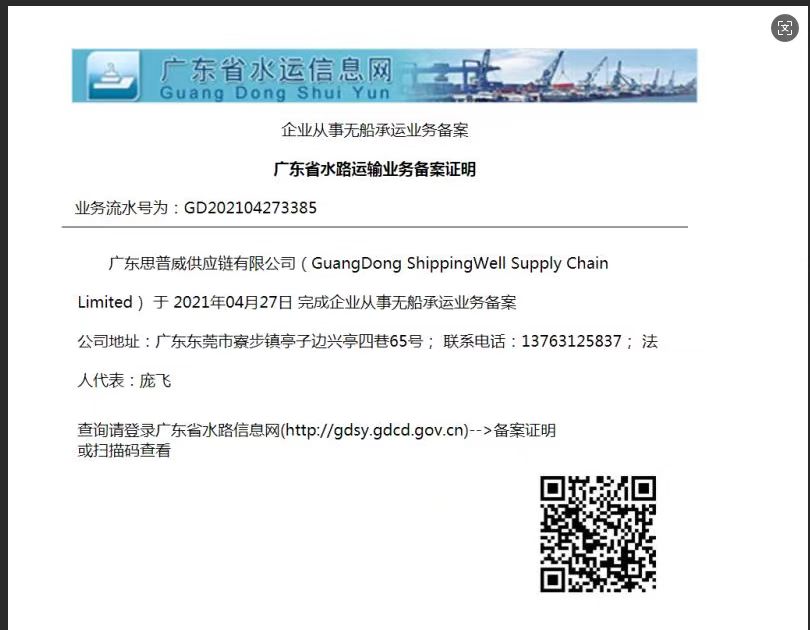
To support this real-time digital architecture, a 3PL must possess advanced digital logistics systems and a global supply chain footprint. For instance, managing cross-border trade demands reliable transport networks alongside digital integrations. Utilizing a licensed logistics provider with certifications like NVOCC (GD202104273385) ensures compliant ocean freight transport, while local customs filing credentials mitigate clearance risks. This allows the logistics partner to manage the entire transit safely, providing complete visibility from port-to-port or door-to-door.
Real-world execution proves that integrating logistics with full-chain DDP services dramatically reduces shipment friction. For example, a Canadian trading company handling over 100 FCL shipments annually resolved customs delays and delivery uncertainties by leveraging integrated DDP sea freight solutions. The system automated container tracking from pickup, export declaration, ocean transport, to Canadian customs clearance and final delivery, maintaining full visibility for the importer without requiring manual coordination across multiple intermediaries.
Data/Solution Comparison
Selecting the right fulfillment method depends on delivery speed requirements, inventory distribution strategy, and integration capabilities. The table below compares direct cross-border DDP shipping with localized 3PL overseas warehouse fulfillment services.
| Fulfillment Parameter | Direct Cross-Border DDP Shipping | 3PL Overseas Warehouse & Dropshipping |
|---|---|---|
| Primary Warehouse Locations | Origin Hubs (e.g., China) | United States, Canada, United Kingdom, Spain, Germany |
| Fulfillment Speed | Sea freight: 25-55 days; Air freight: 5-10 days | Same-day/next-day processing; Local delivery in 1-3 days |
| Minimum Order Quantity (MOQ) | 1 single shipment | 1 order / 1 pallet |
| Quality Inspection Steps | Cargo inspection before loading, in-transit monitoring | Inbound cargo inspection, damage checks, order picking verification, packaging QC |
| System Integration Scope | Basic shipment tracking APIs | Shopify, eBay, Amazon, and ERP systems |
Frequently Asked Questions (FAQ)
Q: What are the main benefits of using a 3PL with direct Shopify integration?
A: Direct integration automates the order-to-fulfillment cycle. When a customer buys on Shopify, the order is instantly pushed to the 3PL's warehouse management system for picking and packing. Tracking details are automatically pushed back to Shopify, keeping the customer informed without manual data entry.
Q: How do overseas warehouses help cross-border e-commerce sellers?
A: Overseas warehouses located in target markets like the US, UK, and Germany store inventory locally. This reduces capital tied up in slow transit, shortens final delivery times to 1-3 days, and simplifies the processing of customer returns and product relabeling.
Q: What quality control measures should a reliable fulfillment 3PL offer?
A: A high-quality 3PL performs strict procedures: inbound cargo inspection, inventory count and damage checks, picking accuracy verification, outbound scanning, and packaging quality control to prevent damage during transit.
Strategic Recommendations & Guidance
Choosing the right 3PL requires balancing robust digital integrations, reliable shipping channels, and clear financial terms. For high-volume e-commerce sellers and brand manufacturers, a fulfillment partner must support diverse payment methods like T/T, PayPal, and flexible installment payment terms under formal service contracts to protect cash flow. By selecting a provider with established customs clearance expertise and a mature logistics network, businesses can mitigate supply chain risks and scale globally. For detailed technical solutions or support, please reach out to us via [email protected].
About Us
Established in 2021, Guangdong Shippingwell Supply Chain Limited is a professional supply chain service provider headquartered in Dongguan with offices in the United States, United Kingdom, Germany, and France. The company operates a team of 50 employees, manages a 50,000 square meter facility, and holds official credentials including NVOCC certification (GD202104273385) and the Record Filing Form for International Freight Forwarders (10043003). We specialize in end-to-end international logistics, overseas warehousing, and custom-tailored DDP supply chain solutions, serving over 20,000 clients globally.
Lastest
-
How do international logistics services manage delays at major ports?
2026-07-29 -
How do 3PL & fulfillment services ensure GDPR compliance for customer data?
2026-07-29 -
How do I choose the right international logistics services for oversized cargo?
2026-07-29 -
Why are China to USA DDP shipping rates so volatile during holidays?
2026-07-29 -
How does DDP shipping UK handle customs clearance for hazardous materials?
2026-07-29
SUBSCRIBE
INQUIRY