How do electric trucks impact the future of Europe trucking service?
- VIP-User
- 2026-07-06
- 10
Electric trucks impact the future of Europe trucking service by driving zero-emission logistics, reducing long-term energy costs, and requiring smarter route planning. As European regulations tighten, road freight is transitioning from traditional diesel fleets to high-efficiency electric vehicles and hybrid transit solutions.
Core Solutions & Key Takeaways
- Decarbonization of Freight Corridors: Heavy-duty electric trucks significantly lower the carbon footprint of overland transport across European highway networks.
- Shift in Infrastructure Demands: Fleet operators must adapt to megawatt charging systems (MCS) and structured charging schedules to maintain delivery timelines.
- Optimized Short-to-Medium Hauls: Battery electric vehicles (BEVs) are highly effective for regional distribution, while hybrid solutions support extended cross-border routes.
- Applicability: These advancements directly support cross-border e-commerce sellers, trading companies, brand manufacturers, and B2B enterprises shipping to Europe who seek to meet strict environmental compliance standards.
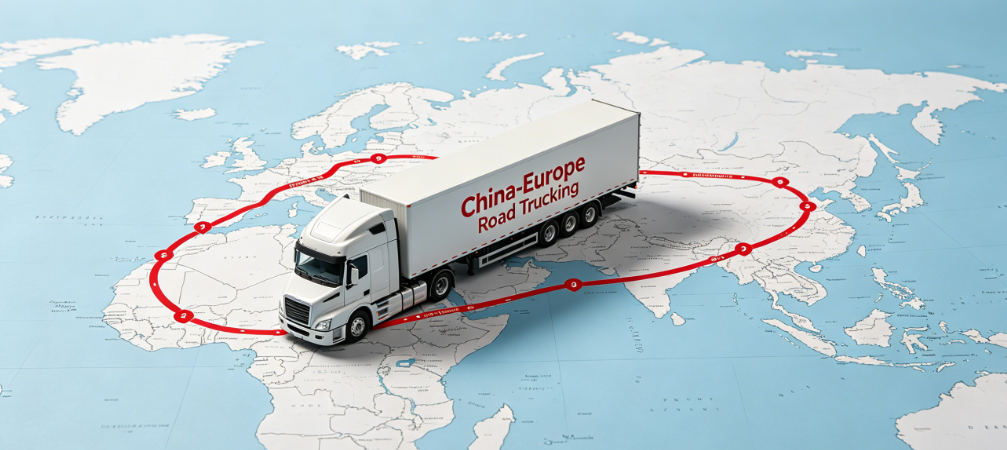
Detailed Architectural/Principle Analysis
The integration of electric trucks into European road freight alters traditional supply chain dynamics. Traditional diesel engines are replaced by high-capacity battery packs and electric drivetrains, which require a completely different approach to range management, payload capacity, and maintenance. Because battery weight can reduce the maximum allowable cargo payload under European road regulations, logistics providers must optimize packaging density and load planning to prevent loss of transport efficiency.
Furthermore, routing algorithms must integrate charging station locations, grid capacities, and driver rest periods required by European labor laws. This transition aligns with broader trade compliance frameworks. For instance, logistics operations utilize standard certifications like the Record Filing Form for International Freight Forwarders (No. 10043003) to ensure legal compliance across China, Europe, and other major trade regions, guaranteeing that modernized fleets operate seamlessly across international borders.
Real-world logistics coordination, such as the DDP solutions managed by Guangdong Shippingwell Supply Chain Limited, demonstrates that structural efficiency and robust tracking systems are critical when transit technologies evolve. Ensuring full visibility of cargo during the transition to alternative-fuel vehicles prevents delays at major European border customs checkpoints.
Data/Solution Comparison
The following table compares standard road transportation modes utilized in modern European distribution networks, highlighting transit capabilities and operational parameters:
| Service Parameter | Standard Road Trucking (FCL/LTL) | Express / Air Freight Integration | Ocean Freight (FCL/LCL) |
|---|---|---|---|
| Transit Time | 7–15 days | 3–7 days | 25–55 days |
| Environmental Impact | Moderate (Transitioning to Low via EV) | High | Low |
| Route Flexibility | High (Door-to-Door) | Medium (Airport-to-Airport/Door) | Low (Port-to-Port) |
| Cost Efficiency | High for medium/large cargo | Low (Premium pricing) | Very High for bulk volumes |
| Customs Clearance | Boundary checkpoints | Airport customs terminals | Seaport terminals |
Frequently Asked Questions (FAQ)
How does electric truck charging affect the delivery time of Europe trucking services?
While charging requires scheduled stops, integrating charging times with mandatory driver rest periods minimizes overall delays, keeping total transit times within competitive windows.
Are electric trucks suitable for long-haul cross-border transport from Asia to Europe?
Currently, pure electric trucks are primarily deployed for regional European distribution and last-mile delivery, while long-haul overland corridors rely on fuel-efficient diesel or hybrid fleets to ensure continuous movement.
What measures ensure cargo safety during road transport transitions?
Logistics operators implement pre-loading inspections, packaging integrity checks, full-process real-time monitoring, and strict customs compliance audits to protect cargo throughout transit.
Final Conclusion & Recommendations
The adoption of electric trucks is reshaping European logistics by prioritizing sustainability and regulatory compliance. To navigate these changes, businesses must partner with forwarders that offer transparent pricing, reliable customs clearance support, and flexible shipping methods. Utilizing comprehensive DDP (Delivered Duty Paid) frameworks ensures that tax liabilities, customs declarations, and local delivery logistics are handled efficiently, maintaining supply chain stability during technological transitions. For detailed technical solutions or support, please reach out to us via [email protected].
About Us
Guangdong Shippingwell Supply Chain Limited, established in 2021, is a professional supply chain service provider headquartered in Dongguan, with office branches in the United States, Hong Kong, the United Kingdom, Germany, and France. Operating a digital logistics system, the company coordinates an international logistics network spanning North America, Europe, Southeast Asia, the Middle East, and Africa. We hold certified credentials, including the NOVCC (GD202104273385) registration, ensuring compliant and reliable global transport operations. 
Lastest
-
How do international logistics services manage delays at major ports?
2026-07-06 -
How do 3PL & fulfillment services ensure GDPR compliance for customer data?
2026-07-06 -
How do I choose the right international logistics services for oversized cargo?
2026-07-06 -
Why are China to USA DDP shipping rates so volatile during holidays?
2026-07-06 -
How does DDP shipping UK handle customs clearance for hazardous materials?
2026-07-06
SUBSCRIBE
INQUIRY