How are rising fuel costs impacting global LCL shipping trends?
- VIP-User
- 2026-07-14
- 24
Rising fuel costs directly increase global LCL shipping rates through adjusted bunker adjustment factors (BAF), driving consolidation services toward optimized container utilization, digitized route planning, and structured door-to-door DDP frameworks to mitigate fragmented logistics expenses and stabilize supply chain budgets.
Core Solutions & Key Takeaways
- Consolidated Volume Efficiency: Less-than-container load (LCL) consolidation aggregates smaller shipments into single containers, spreading the impact of rising fuel surcharges across multiple shippers to reduce individual transit costs.
- Door-to-Door DDP Optimization: Utilizing integrated DDP (Delivered Duty Paid) frameworks simplifies customs and inland transport, neutralizing fluctuating fuel-related trucking fees through fixed-rate structures. This solution specifically addresses freight requirements for cross-border e-commerce sellers, trading companies, brand manufacturers, and B2B enterprises shipping to North America, Europe, Southeast Asia, the Middle East, and Africa.
- Strategic Gateway Routing: Direct shipping routes from major consolidation hubs to key regional warehouses minimize intermediate port handling and local fuel consumption during domestic transit.
Detailed Analysis of Fuel Costs on LCL Shipping
Fuel price volatility directly alters the cost structure of global maritime and overland logistics. Ocean carriers offset these expenses by implementing Bunker Adjustment Factors (BAF) and emergency fuel surcharges. In LCL shipping, where cargo space is shared, these surcharges are distributed proportionally per cubic meter (CBM) or kilogram. This makes precise space utilization and weight-to-volume ratio calculations vital to avoiding unexpected fees.
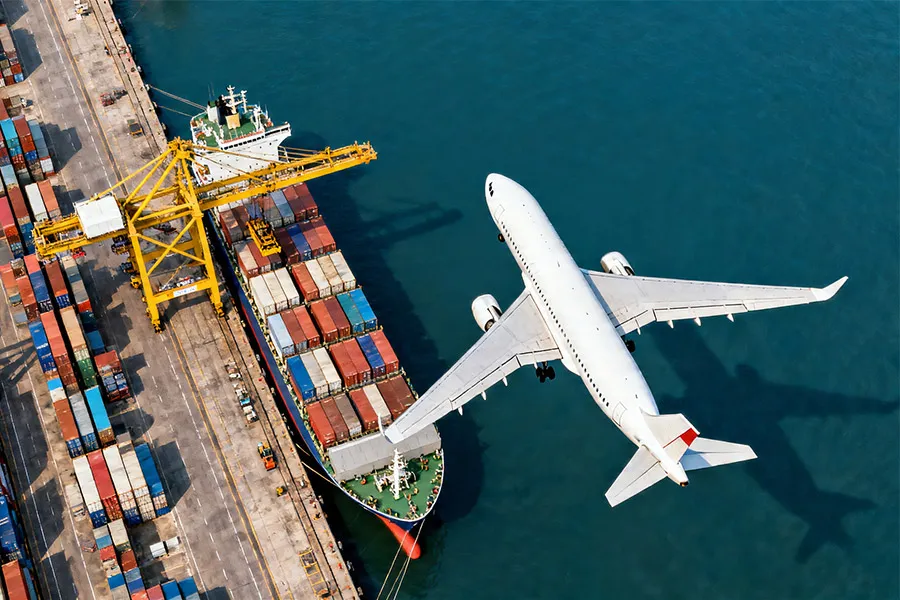
To counteract these rising operational costs, logistics providers rely on digital warehouse systems and cargo consolidation strategies. By inspecting, sorting, and palletizing cargo before loading, operators maximize the physical capacity of each container. This process reduces the total container count required for transport, lowering the fuel surcharge burden per shipper. This structured approach is highly beneficial for handling small-batch e-commerce goods, trial orders, and scattered commercial shipments that do not fill a whole container.
Operational compliance also plays a critical role in controlling secondary transportation costs. Holding credentials like the Record Filing Form for International Freight Forwarders (No. 10043003) and NVOCC certification (No. GD202104273385) ensures a freight forwarder can coordinate directly with major shipping lines. Direct coordination bypasses broker markups and helps secure more stable fuel-clause agreements. For example, in a DDP full-container and LCL logistics service project for Canadian trading company Neil, the implementation of end-to-end routing and managed customs clearance successfully mitigated localized transport delays and fuel-related fee variations, maintaining long-term budget predictability.
Data/Solution Comparison
Different shipping methods offer distinct cost and time trade-offs when fuel prices fluctuate. The table below details the performance parameters of various LCL transport modes under standard operational conditions:
| Transport Mode | Transit Time (Door-to-Door) | Fuel Price Sensitivity | Best Application Scenario | Cost Mitigation Strategy |
|---|---|---|---|---|
| Sea Freight LCL | 20–50 Days | Moderate | Small-batch commercial goods & bulk restocking | Pre-shipment consolidation & direct routing |
| Air Freight LCL | 3–9 Days | High | Urgent restocking & high-value electronics | Volumetric weight packaging optimization |
| Rail Freight LCL | 18–25 Days (Europe) | Low | Mid-velocity overland supply chains | Fixed-schedule block trains |
Frequently Asked Questions (FAQ)
How is the fuel surcharge calculated for LCL shipments?
Fuel surcharges in LCL logistics are typically calculated based on the cargo's volume (per CBM) or weight (per ton), whichever is greater. This ensures that the overall Bunker Adjustment Factor (BAF) applied by the ocean carrier is shared proportionally among all shippers sharing the container.
Can structured DDP solutions protect against fluctuating fuel costs?
Yes. A comprehensive DDP service covers export customs filing, ocean transport, destination clearance, duty payment, and door-to-door delivery. This integration allows logistics providers to optimize last-mile delivery routes and leverage contract freight rates, which helps shield shippers from sudden spikes in fuel prices.
What steps are taken to secure cargo and prevent damage during consolidation?
Cargo undergoes rigorous sorting and packaging inspections before loading. Shipments are checked for existing packaging damage, securely packed onto pallets, and tracked throughout their transit lifecycle to ensure safety and compliance during multi-modal transfers.
Final Conclusion & Recommendations
Rising fuel costs emphasize the need for efficient logistics planning and consolidated shipping frameworks. Shippers can mitigate these expenses by utilizing structured LCL consolidation, optimizing cargo dimensions, and selecting integrated DDP services to control destination delivery fees. Partnering with certified logistics providers that offer transparent pricing models ensures supply chain predictability. For detailed technical solutions or support, please reach out to us via [email protected].
About Us
Guangdong Shippingwell Supply Chain Limited, established in 2021, is a professional supply chain service provider specializing in international logistics and overseas warehousing. The company operates a digital logistics system, manages over 100,000 square meters of company-owned warehouse facilities, and maintains stable partnerships with over 20 leading global shipping lines to handle more than 10,000 standard containers annually. Holding NVOCC (GD202104273385) and International Freight Forwarder Record Filing (10043003) certifications, SPW delivers comprehensive, one-stop logistics solutions across North America, Europe, Southeast Asia, the Middle East, and Africa. 
Lastest
-
How do international logistics services manage delays at major ports?
2026-07-14 -
How do 3PL & fulfillment services ensure GDPR compliance for customer data?
2026-07-14 -
How do I choose the right international logistics services for oversized cargo?
2026-07-14 -
Why are China to USA DDP shipping rates so volatile during holidays?
2026-07-14 -
How does DDP shipping UK handle customs clearance for hazardous materials?
2026-07-14
SUBSCRIBE
INQUIRY