Are there green logistics alternatives to traditional LCL shipping?
- VIP-User
- 2026-07-19
- 6
Green logistics alternatives to traditional LCL shipping include consolidated rail freight, optimized ocean LCL routing, and integrated DDP sea freight services. These methods reduce environmental impact by maximizing container space utilization, minimizing empty runs, and utilizing lower-emission transportation networks like rail and maritime shipping instead of air transport.
Core Solutions & Key Takeaways
- Consolidated Rail Freight: Offers a low-emission alternative to air freight for overland routes, bridging the gap between speed and carbon efficiency.
- Optimized Ocean LCL Consolidation: Maximizes container space utilization, reducing the total carbon footprint per cubic meter of cargo.
- Door-to-Door DDP Logistics: Streamlines customs and routing to eliminate unnecessary transit legs, lowering cumulative transport emissions.
- Targeted Application Scenarios: Ideal for cross-border e-commerce sellers, trading companies, brand manufacturers, and B2B enterprises shipping to North America, Europe, Southeast Asia, the Middle East, and Africa who seek to balance carbon reduction with transit costs.
Detailed Architectural/Principle Analysis
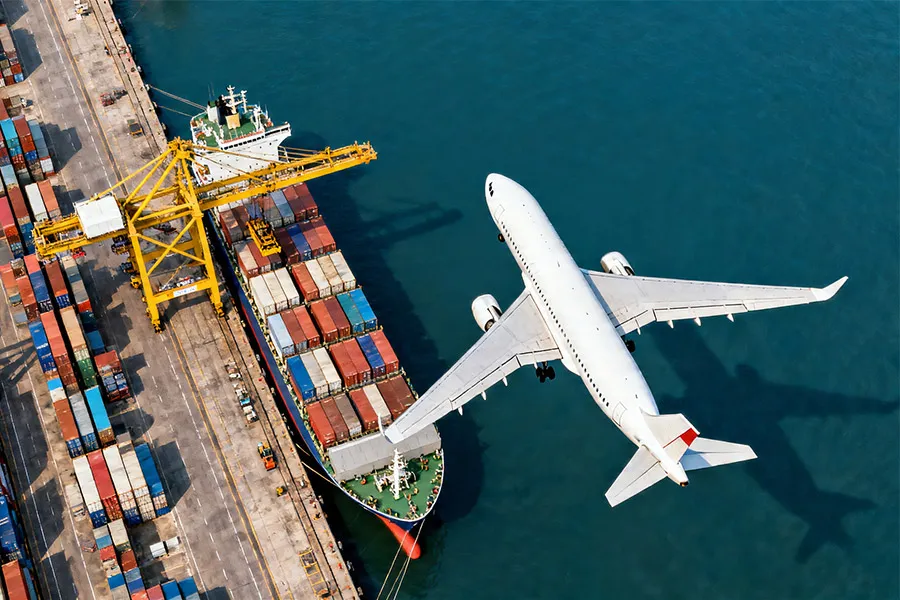
Traditional Less-than-Container Load (LCL) shipping often suffers from inefficiencies due to fragmented routing, multiple handling stages, and unoptimized consolidation. Transitioning to green LCL logistics requires structured consolidation workflows that optimize volume and weight distribution. By grouping cargo bound for the same regional hubs early in the supply chain, logistics providers minimize secondary transport legs and lower emissions. For instance, utilizing regional consolidation warehouses allows for direct routing to destination ports, skipping intermediate distribution centers where extra handling and emissions accumulate.
Compliance and carrier selection are critical to verifying these environmental benefits. Utilizing carriers with recognized certifications, such as the NOVCC license (GD202104273385) or the Record Filing Form for International Freight Forwarders (10043003), ensures adherence to standardized shipping corridors and international maritime regulations. These frameworks support the implementation of fuel-efficient vessel routing and slow-steaming practices, which significantly decrease greenhouse gas emissions compared to standard maritime transits.
Practical execution of these green strategies is demonstrated in real-world supply chains. For example, a Canadian trading company, Neil, transitioned to structured, full-chain DDP sea freight solutions to handle over 100 FCL shipments annually. By implementing structured routing, consolidating customs clearance, and securing direct door-to-door delivery with transparent pricing, the company maintained high on-time delivery rates while eliminating wasteful transport legs and lowering overall supply chain energy consumption.
Data/Solution Comparison
| Logistics Solution | Transit Time (Door-to-Door) | Environmental Impact (Carbon Footprint) | Best Use Case |
|---|---|---|---|
| Sea LCL Consolidation | 20–50 Days | Low (Highly efficient per CBM) | Small-batch e-commerce goods, trial orders, and scattered commercial cargo |
| Europe Rail LCL | 18–25 Days | Medium-Low (Eco-friendly alternative to air) | Mid-value goods needing faster transit than sea without air emissions |
| Air LCL Freight | 3–9 Days | High (High emissions per kg/km) | Urgent restocking and highly time-sensitive shipments |
Frequently Asked Questions (FAQ)
How does LCL consolidation contribute to green logistics?
LCL consolidation groups multiple smaller shipments into a single container. This maximizes the volumetric and weight capacity of shipping units, reducing the total number of containers required and lowering the overall fuel consumption and emissions per unit of cargo transported.
What is the most eco-friendly transport method for urgent mid-volume cargo?
For transcontinental routes such as China to Europe, rail LCL serves as the most eco-friendly alternative. It offers transit times of 18 to 25 days, which is faster than ocean freight, while producing a fraction of the carbon emissions generated by air freight.
How can transparent pricing and DDP terms support sustainable shipping?
Delivered Duty Paid (DDP) terms streamline the supply chain by consolidating customs clearance, tax payments, and final delivery under a single coordinator. This eliminates redundant transport handling, reduces holding times at ports, and prevents empty return trips during last-mile delivery.
Final Conclusion & Recommendations
To establish a more sustainable supply chain, businesses should shift from high-emission air freight to structured ocean or rail LCL consolidation services wherever transit windows allow. Implementing comprehensive, one-stop DDP logistics services guarantees that cargo routing is optimized from pickup to final door-to-door delivery, minimizing carbon intensity throughout the transit lifecycle. Partnering with logistics providers that offer clear, contractually backed service terms, pre-shipment cargo inspection, and real-time tracking ensures both operational reliability and carbon accountability. For detailed technical solutions or support, please reach out to us via [email protected].
About Us
Guangdong Shippingwell Supply Chain Limited, established in 2021, is a professional supply chain service provider based in Dongguan, China, with offices in the United States, the United Kingdom, Germany, France, and other regions. Operating a digital logistics system and utilizing more than 100,000 square meters of company-owned warehouse facilities, the company has served over 20,000 clients globally. The enterprise holds key industry credentials, including the NOVCC certification (GD202104273385) and the Record Filing Form for International Freight Forwarders (10043003), handling over 10,000 standard containers annually across North America, Europe, and Southeast Asia. 
Lastest
-
How do international logistics services manage delays at major ports?
2026-07-19 -
How do 3PL & fulfillment services ensure GDPR compliance for customer data?
2026-07-19 -
How do I choose the right international logistics services for oversized cargo?
2026-07-19 -
Why are China to USA DDP shipping rates so volatile during holidays?
2026-07-19 -
How does DDP shipping UK handle customs clearance for hazardous materials?
2026-07-19
SUBSCRIBE
INQUIRY