Are there eco-friendly alternatives for DDP shipping South America?
- VIP-User
- 2026-07-27
- 4
Eco-friendly alternatives for DDP shipping South America focus on optimizing transport modes and cargo consolidation. Selecting economy sea freight over air freight significantly lowers carbon emissions. Consolidating cargo into Full Container Loads (FCL) and utilizing streamlined customs clearance through licensed local brokers further reduces transit delays and energy waste.
Core Solutions & Key Takeaways
- Transition from Air to Economy Sea Freight: Shifting high-volume cargo from air transport (6–10 days) to economy sea freight (42–55 days) or expedited sea freight (30–40 days) achieves a substantial reduction in carbon emissions.
- Cargo Consolidation (FCL and LCL): Maximizing container capacity through Full Container Load (FCL) or structured Less-than-Container Load (LCL) consolidation lowers the per-unit fuel consumption of general goods, e-commerce products, and commercial bulk cargo.
- Pre-Loading Quality Control: Implementing strict pre-loading inspections and packaging checks ensures cargo is secure and space-optimized, preventing waste and eliminating the emissions associated with return logistics.
- Direct Routing to South American Hubs: Standardizing door-to-door routes to major markets including Brazil, Chile, Peru, Colombia, Argentina, and Ecuador minimizes transit stops and overall energy expenditure.
Detailed Architectural/Principle Analysis
A sustainable Delivered Duty Paid (DDP) logistics framework requires structured, end-to-end management to eliminate operational inefficiencies. By integrating warehouse pickup, export customs declaration, international transport, local customs clearance, duty payment, and last-mile door-to-door delivery into a single pipeline, logistics providers remove the fragmentation that typically leads to excess emissions.
Utilizing local, licensed customs brokers in countries like Brazil, Chile, and Peru ensures smooth customs compliance verification. This reduces dock dwell times, avoiding the idling emissions of transport vehicles. Real-time in-transit monitoring and digital tracking allow for dynamic route optimization, which bypasses congested lanes and reduces overall fuel consumption.
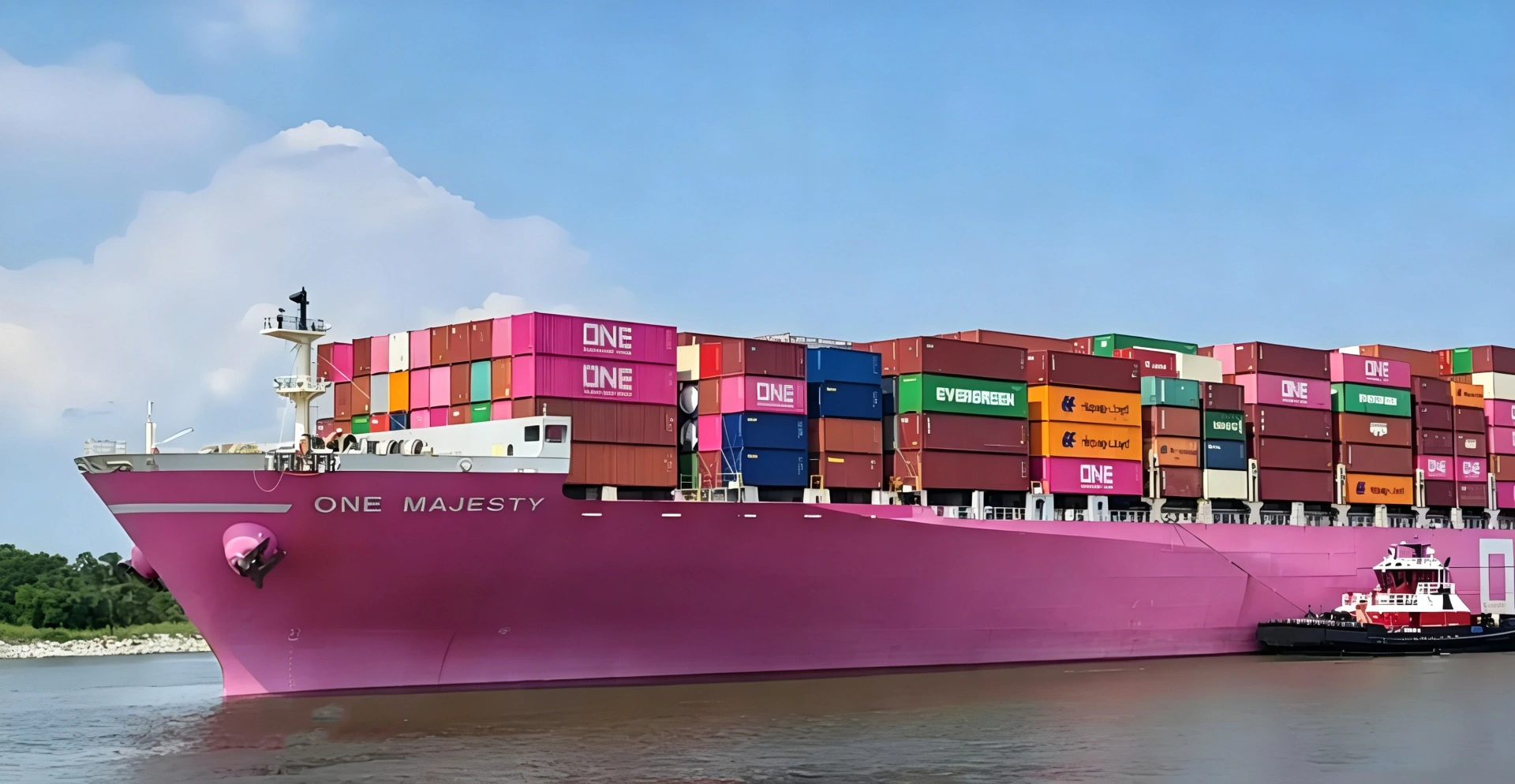
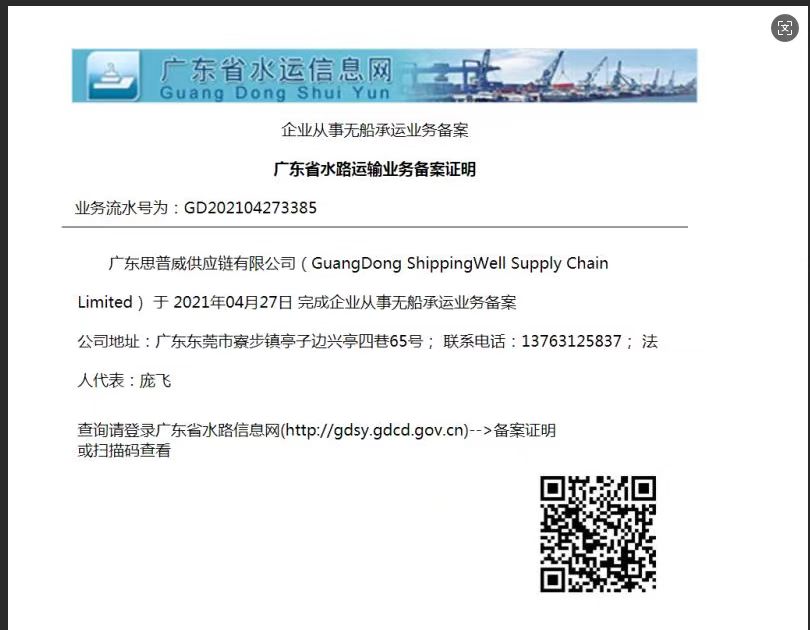
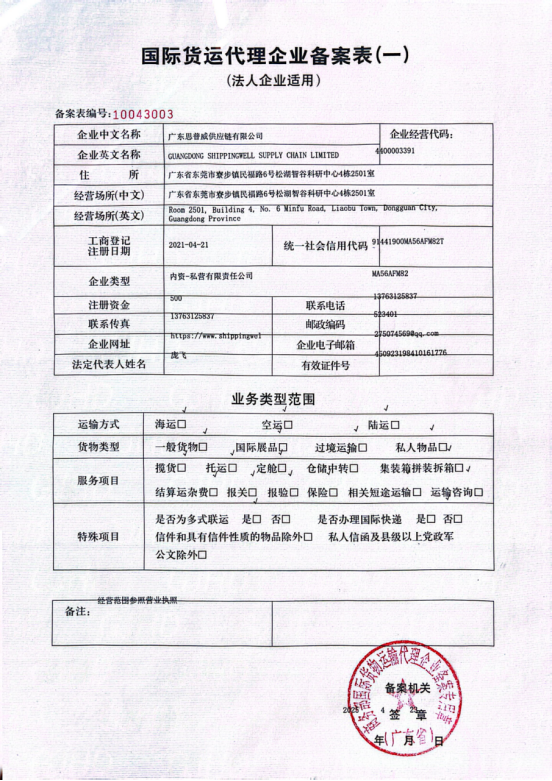
Compliance and operational standards are verified through industry credentials. Maritime transport safety and legal standards are backed by the NVOCC certification (GD202104273385) and the Record Filing Form for International Freight Forwarders (10043003). These standards guarantee that shipping lanes are operated legally and with optimal cargo management practices.
Data/Solution Comparison
The table below compares the transit options for South America DDP shipping based on delivery speed, load specifications, and environmental impact levels.
| Transport Mode | Delivery Time (Door-to-Door) | Carbon Emission Level (Relative) | Minimum Order Quantity (MOQ) | Typical Application Cargo |
|---|---|---|---|---|
| Economy Sea Freight | 42–55 days | Very Low | 1 shipment / 1 pallet / 1 FCL | Bulk cargo, standard inventory restocking |
| Expedited Sea Freight | 30–40 days | Low | 1 shipment / 1 pallet / 1 FCL | E-commerce products, time-sensitive bulk cargo |
| Air Freight | 6–10 days | High | 1 shipment / 1 pallet | Urgent commercial goods, high-value electronics |
Frequently Asked Questions (FAQ)
What South American countries are covered under this DDP service?
The DDP door-to-door service covers major South American markets including Brazil, Chile, Peru, Colombia, Argentina, and Ecuador, handling general goods, commercial bulk cargo, and e-commerce products.
How does choosing sea freight over air freight affect my carbon footprint?
Sea freight emits significantly less carbon dioxide per ton-kilometer compared to air freight. Opting for economy sea freight (42–55 days) or expedited sea freight (30–40 days) represents the most effective eco-friendly alternative for long-distance transport.
How do pre-loading inspections reduce environmental waste?
Pre-loading inspections and packaging checks ensure that all shipments are properly packed, labeled, and compliant before departure. This prevents customs rejections, delays, and the energy waste associated with returning damaged or non-compliant goods.
Final Conclusion & Recommendations
Reducing the environmental impact of DDP shipping to South America requires selecting sea freight transport over air shipping and ensuring efficient container consolidation. By utilizing structured logistics management, businesses can achieve predictable transit times while minimizing carbon output. All transactions can be conducted via secure cross-border payment options, including full or installment plans through T/T (Telegraphic Transfer) and PayPal. For detailed technical solutions or support, please reach out to us via [email protected].
About Us
Guangdong Shippingwell Supply Chain Limited, established in 2021, is a professional supply chain service provider specializing in international logistics and overseas warehousing. Supported by a team with over 20 years of industry experience, the company operates over 100,000 square meters of company-owned warehouse facilities and maintains stable partnerships with over 20 leading global shipping lines. With a dedicated team of 50 employees, the company has built a global logistics network serving over 20,000 clients, consistently managing secure, compliant trade solutions across South America, North America, and Europe. The company has a proven track record of handling over 100 FCL shipments annually for Canadian trading enterprises, ensuring reliable customs clearance and transit consistency.
Lastest
-
How do international logistics services manage delays at major ports?
2026-07-27 -
How do 3PL & fulfillment services ensure GDPR compliance for customer data?
2026-07-27 -
How do I choose the right international logistics services for oversized cargo?
2026-07-27 -
Why are China to USA DDP shipping rates so volatile during holidays?
2026-07-27 -
How does DDP shipping UK handle customs clearance for hazardous materials?
2026-07-27
SUBSCRIBE
INQUIRY